Tell us about the job
Takes about a minute. No obligation.
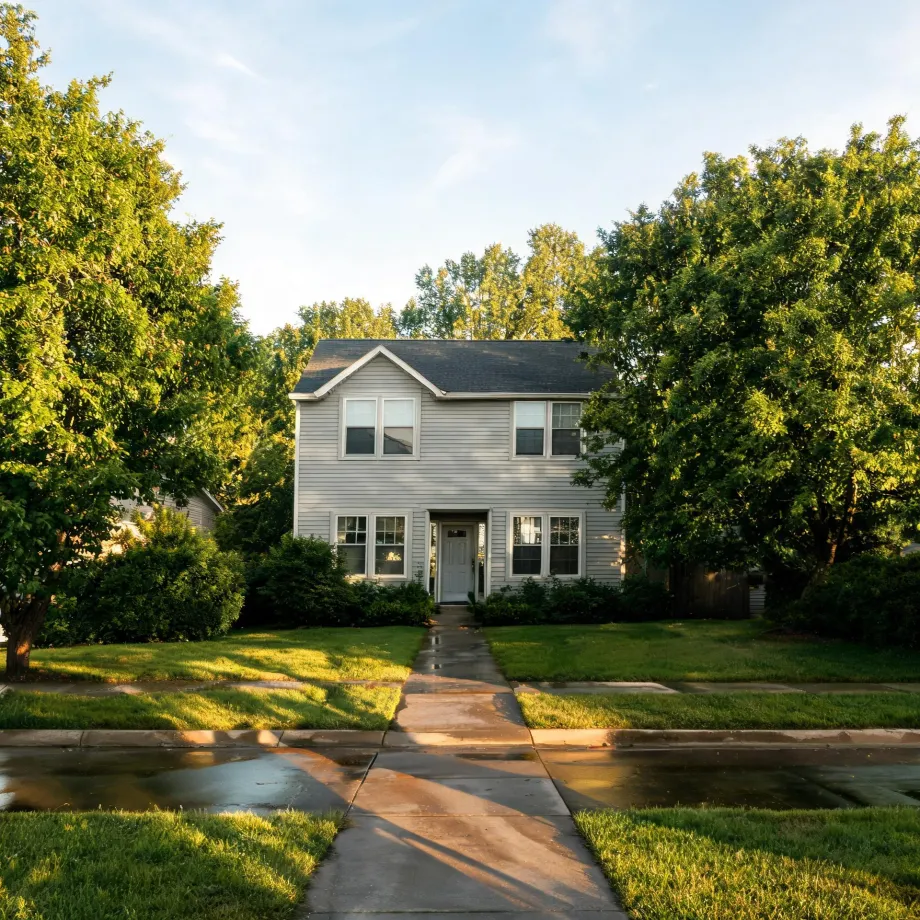
A central AC compressor sits idle through most of the calendar year, and that dormancy is where problems hide. Homes in Monmouth County, NJ run cooling about three months a year, from June through August. The contactor, the capacitor, and the condenser fan all cycle hard when the system starts up each June after months of standing off, and a fault that developed late in the previous season will not announce itself until that first call for cooling. A contractor working a repair here checks those start-up components before anything else, because the failure usually dates to the end of last summer.
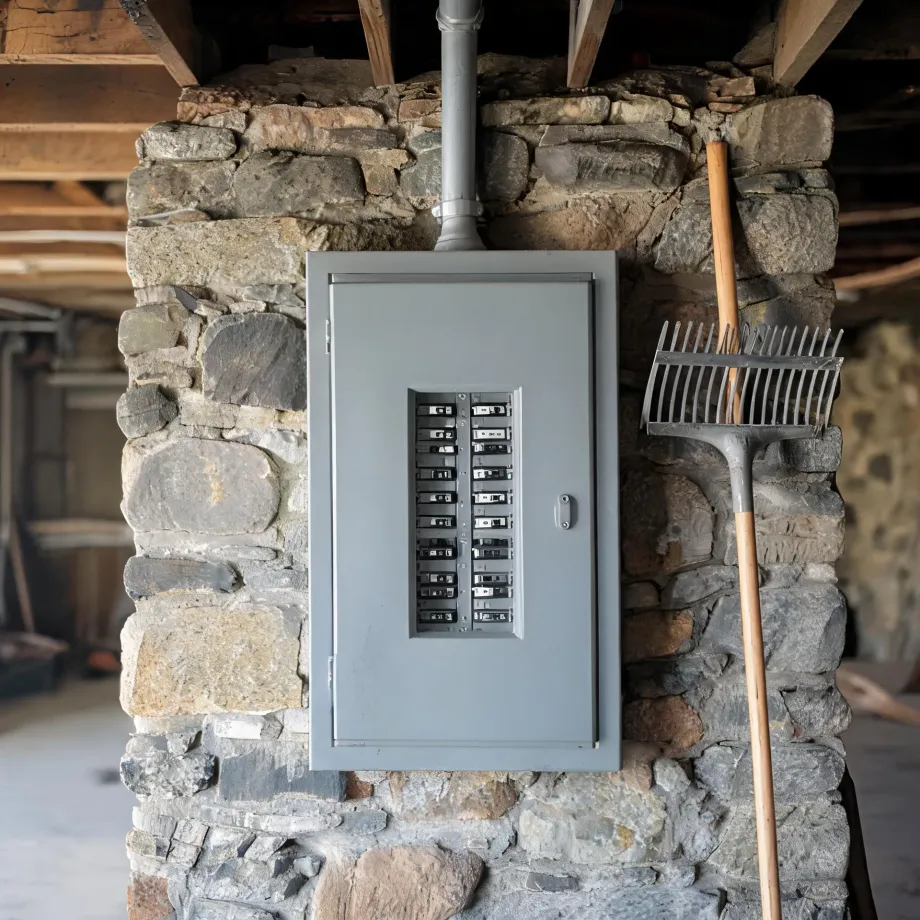
Half the homes in Monmouth County, New Jersey were built in 1975 or earlier (2020-2024 ACS 5-year). That gap between the building and what runs in it now shows up most directly when a contractor opens the system. The refrigerant connections, the contactor, the capacitor, the control board: in housing of this vintage, those components have been cycling through summers long enough that what looked like a straightforward repair can hinge on whether the replacement part is still manufactured at all. A contractor working a repair call here checks parts availability alongside the fault.
The Parts of a Central AC a Contractor Checks First
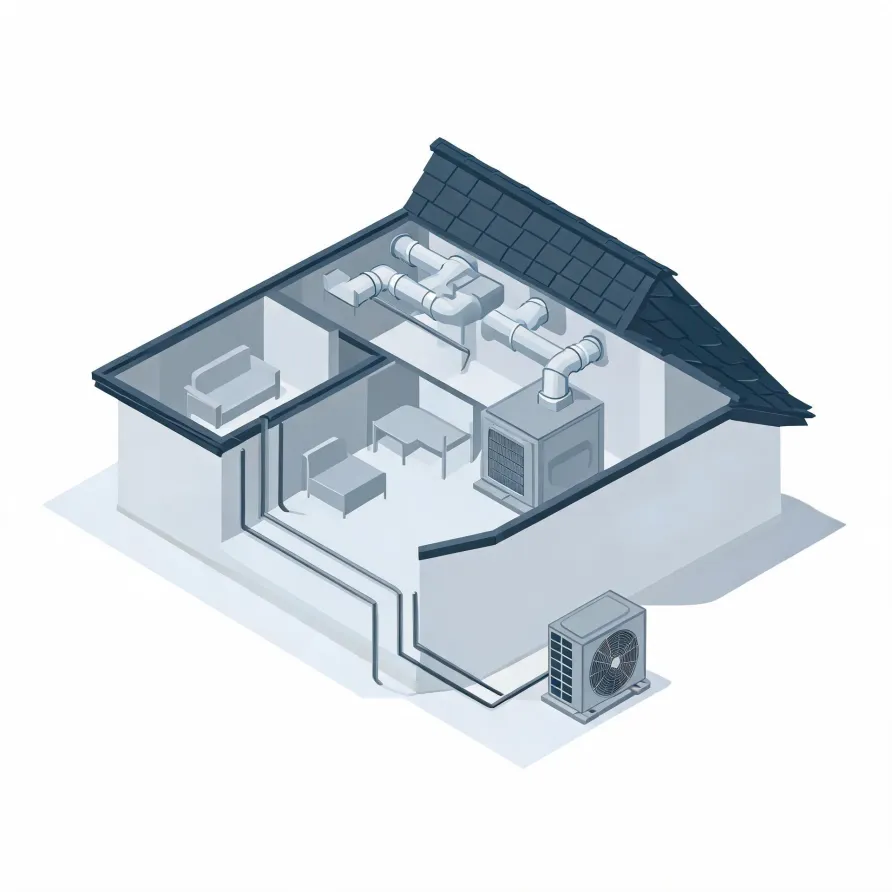
The outdoor condenser unit sits outside the house, usually on a concrete pad beside the foundation, and it is where heat gets shed to the outside air. The indoor air handler or furnace blower sits inside, often in a basement or utility closet, and it moves cooled air through the house. When either unit is the source of trouble, a contractor starts there.
The evaporator coil sits directly above the air handler, inside the plenum, and it is the surface across which refrigerant absorbs heat from the indoor air. The refrigerant line set runs between the two units through a small penetration in the wall, carrying refrigerant back and forth. The thermostat on the interior wall ties the whole system together, reading the space and telling both units when to run.
The drawing shows the general layout of a central AC system, and a licensed contractor determines what applies to the specific equipment and configuration in your house.
Get matched in Monmouth CountyMonmouth County, by the numbers
326 severe weather events were recorded in Monmouth County, New Jersey between 2015 and 2024.
NOAA National Centers for Environmental Information, Storm Events Database, bulk CSV export, events 2015-01-01 through 2024-12-31.Half the homes in Monmouth County, New Jersey were built in 1975 or earlier (2020-2024 ACS 5-year).
U.S. Census Bureau, 2020-2024 American Community Survey 5-Year EstimatesMonmouth County, New Jersey holds 270,415 housing units (2020-2024 ACS 5-year).
U.S. Census Bureau, 2020-2024 American Community Survey 5-Year EstimatesOwners occupy 75.6% of the occupied homes in Monmouth County, New Jersey (2020-2024 ACS 5-year).
U.S. Census Bureau, 2020-2024 American Community Survey 5-Year EstimatesRules & Standards Behind Central AC Repair in Monmouth County, New Jersey10 sourced rules and standards
What happens when a contractor comes out for HVAC repair in Monmouth County
Split-system central air conditioners rated below 45,000 Btu/h manufactured on or after January 1, 2023 must meet a federal minimum of 13.4 SEER2.
Split-system central air conditioners rated at or above 45,000 Btu/h manufactured on or after January 1, 2023 must meet a federal minimum of 13.4 SEER2.
Split-system central air conditioners manufactured between January 1, 2015 and December 31, 2022 had to meet 13 SEER, the metric that preceded SEER2.
Single-package central air conditioners manufactured on or after January 1, 2023 must meet a federal minimum of 13.4 SEER2.
Space-constrained central air conditioners manufactured on or after January 1, 2023 must meet a federal minimum of 11.7 SEER2.
Federal efficiency standards for split-system central air conditioners and heat pumps are set on each certified combination of outdoor unit and indoor coil rather than on the outdoor unit alone.
Residential and light commercial air conditioning and heat pump systems assembled in the field, including mini-splits and unitary systems, may not be installed on or after January 1, 2025 using a refrigerant with a global warming potential above 700.
A field-assembled system whose specified components were all manufactured or imported before January 1, 2025 carries no installation compliance date under the refrigerant restrictions and may still be installed.
Licensing and Legal Requirements in Monmouth County, New Jersey
In New Jersey the HVACR licence is the State's alone: a municipality, local board of health or any other agency may not issue or renew a Master HVACR contractor's licence.
New Jersey requires a Master HVACR contractor licence: no person or business may engage in the business of HVACR contracting, or advertise as a Master HVACR contractor, without being authorised under the State HVACR Contracting License Law.
Severe Weather Events in Monmouth County
Weather puts load on central AC equipment. How hard that equipment has to work, and how often it gets pushed to its limits, is shaped by local conditions, which is why repair needs in Monmouth County are a local question.
326 severe weather events, 2015–2024. Source: NOAA National Centers for Environmental Information, Storm Events Database.